OUT NOW: NOV/DEC ’26 ISSUE #183
News and insights from the movers and storers industry


16th November 2026
Editorial Team
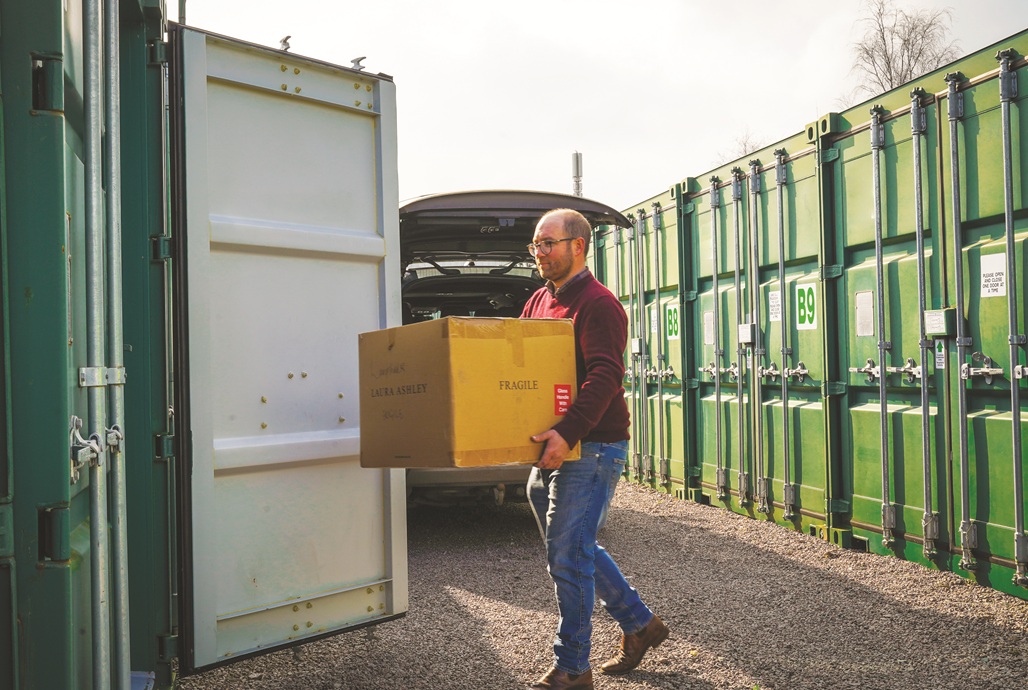
What are the key trends and considerations that have shaped the self-storage industry over the past 12 months? In this article, Glen Wills, the company’s Head of Sales at S Jones, considers some of the trends that have evolved in 2026.
With more than 40 years’ experience as one of the leading suppliers in the self-storage industry – running its own sites as well as providing specialist services to operators through its dedicated StoragePro service – S Jones Containers has been at the forefront of the sector for decades, witnessing its evolution firsthand.
Since the 1980s, the modern self-storage industry has continued to make its presence felt across the business and domestic markets. Using data collected in 2025, the Self Storage Association (SSA) UK Self Storage Annual Report states an industry-wide turnover of £1.3 billion, while the CSTA 2026 Census points to continuing demand leading with 70 new container self-storage sites opening and existing sites increasing available units by 11%. High occupancy rates show sustained demand across both commercial and domestic markets meaning the sector’s growth looks set to continue.
Reasons for this impressive growth can only be speculated, although it could be reflective of changes in lifestyle resulting in increased demand for storage outside the home. From increased consumerism to the slowdown in the housing market resulting in more people living in properties with limited space, or the need for more useable space as working from home remains in place for many employees, multiple factors are likely at play.
Regardless of the reasons, the provision of affordable and easily accessible storage is something that both domestic and business users are seeing the benefit of, contributing to the industry’s growth throughout 2026.
The overall increase in demand for self-storage facilities – combined with higher customer retention – has painted an attractive picture to new entrants into the market, which has continued to reshape the industry as we see it today.
2026 has seen the external self-storage sector continue to evolve further beyond its roots, with a new wave of land-rich operators entering the market.
While farmers were early adopters of this way of utilising underused land to expand revenue streams, at S Jones Containers we’ve seen golf courses, marinas, leisure operators, business parks, and haulage yards increasingly recognise the commercial potential of self-storage. Despite operating in different sectors, such sites share several key characteristics – surplus land or hardstanding, established access for vehicles, and existing security infrastructure – making entering the self-storage market a viable way to diversify income where this may otherwise be limited.
While entering the self-storage market has remained an attractive prospect for landowners looking to expand revenue streams, external economic factors impacting businesses across all sectors cannot be ignored.
New operators, or existing operators looking to expand their sites, must carefully consider how to balance any initial upfront investment with longer term returns. As a supplier, S Jones Containers offers multiple finance solutions to support both established and new self-storage businesses, including partnering with Approved Business Finance to enable businesses to invest in new facilities while preserving cash flow and keeping capital available for other priorities.
Likewise, our Hire to Buy service, which we introduced in response to continued economic pressures faced by businesses nationwide, takes some of the initial economic pressure off, particularly for new businesses. The Hire to Buy service allows customers to begin with a standard hire agreement and later purchase the unit outright if required, with all hire fees deducted from the final purchase price.
The availability of such services in 2026 has offered businesses greater financial flexibility, allowing the self-storage market to continue to thrive this year to meet increased demand even while facing economic pressures.
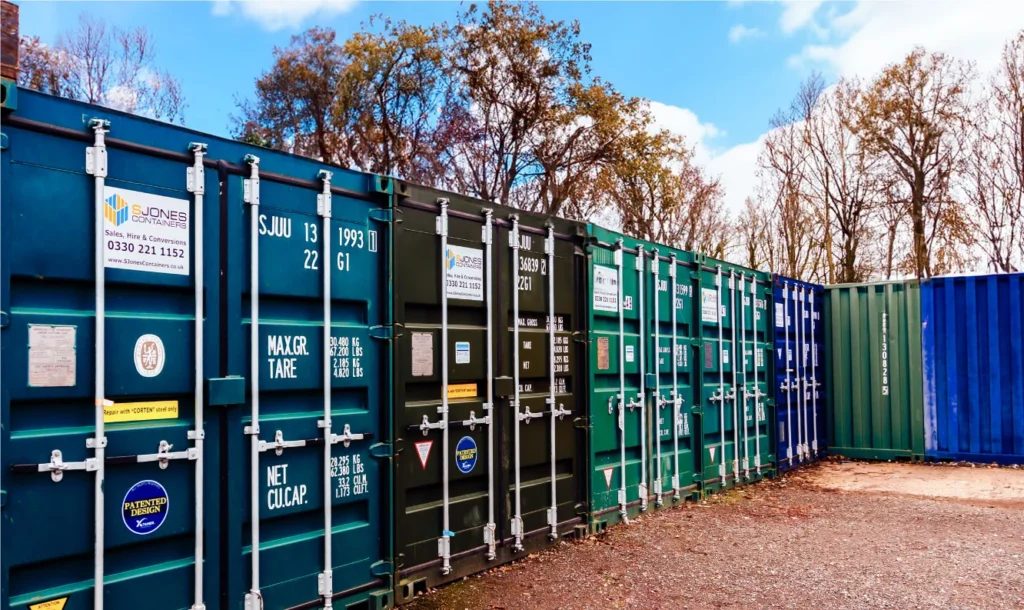
As the type of businesses entering the self-storage market has shifted this year, so has the type of items that are being stored – and with that has come an increased need for containers that prioritise safety.
This is especially relevant to the storage of lithium-ion batteries, which are found in a variety of household products from computers to e-bikes. While many everyday items contain these batteries, they can present a hidden danger for self-storage operators, particularly when damaged, incorrectly handled, or stored in unsuitable conditions including where several batteries are stored in one single unit. Should a battery become damaged, it increases the risk of it entering ‘thermal runaway’ – starting a fire which can spread rapidly and is notoriously difficult to extinguish, while producing intense heat and toxic fumes.
The increasing prevalence of items containing lithium-ion batteries means that safe storage has been a key topic throughout 2026, and operators must take steps to reduce associated risks, including training staff (and equally customers) on handling and storing these items correctly. It’s even more crucial to raise awareness of the risks as self-storage sites increasingly lean into automated access with unmanned sites becoming more commonplace.
Operators should also consider investing in safe facilities, such as containers designed to mitigate the risks of storing lithium-ion batteries. Through our work with Warwick Manufacturing Group (WMG) – a leading organisation which plays a pivotal role in shaping the future of electric vehicle battery production in the UK through cutting-edge research – we’ve continued to refine our own specifications to offer tiered storage solutions to self-storage operators.
The industry’s continued expansion throughout 2026 has led to an increase in demand for bespoke facilities. Whether it’s for the safe storage of products containing lithium-ion batteries or building a site that works around an existing business from a farm or golf course to a haulage yard, it’s no longer as simple as lining up a series of standardised containers.
With a host of container sizes available at our recently expanded depot in the Midlands, as well as multiple configuration options and additions such as security measures to choose from, the possibilities are endless when it comes to futureproofing existing self-storage sites and supporting new sites for 2027 and beyond.
S Jones Containers is preparing to host a seminar at The Movers and Storers Show at NAEC Stoneleigh, Warwickshire in November, drawing on expertise gained through StoragePro, its dedicated service for self-storage operators.
Taking place on the first day of the Show on 17 November, the seminar will be hosted by S Jones Containers’ Head of Sales, Glen Wills, and Business Development Manager, Laura Armitt, and will focus on how StoragePro offers new and growing self-storage operators support at every stage. The session will also cover the advantages of buying or hiring shipping containers from S Jones Containers, and attendees will have the chance to discuss specific site, budget or growth plans with the team directly.
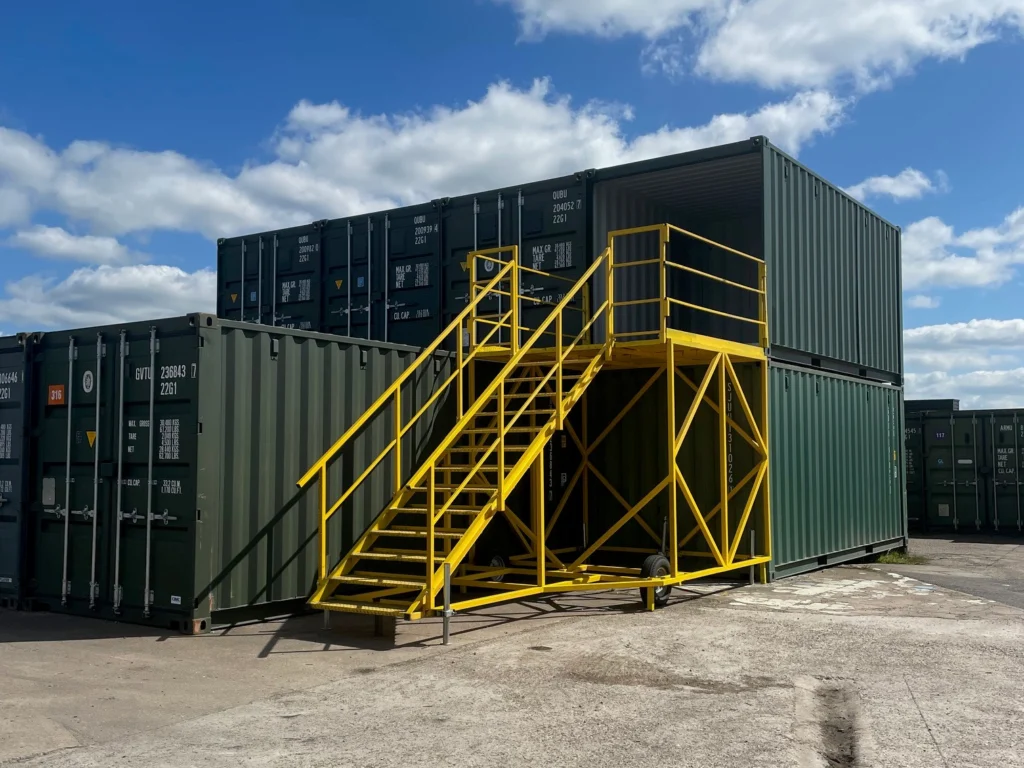
This year marks the first year S Jones Containers is exhibiting at The Movers and Storers Show, with its stand comprising a 20 ft multi-store container configured into three separate storage areas to highlight adaptability, plus a 20 ft topper unit modified to showcase a variety of storage options including a central walkway, a personnel door and a roller shutter. The topper unit can be accessed via a staircase, and tables and chairs will be available on the main stand for any visitors wishing to discuss S Jones Containers’ services including StoragePro, Sales, Hire and Finance options with its friendly team.
S Jones Containers will be exhibiting on Stand D4 throughout The Movers and Storers Show on Tuesday 17th and Wednesday 18th November, 2026.








All the best bits, delivered once a month straight to your inbox
News and insights from the movers and storers industry