OUT NOW: SEPT/OCT ’26 ISSUE #182
News and insights from the movers and storers industry


24th June 2026
Editorial Team
4 mins read
Features
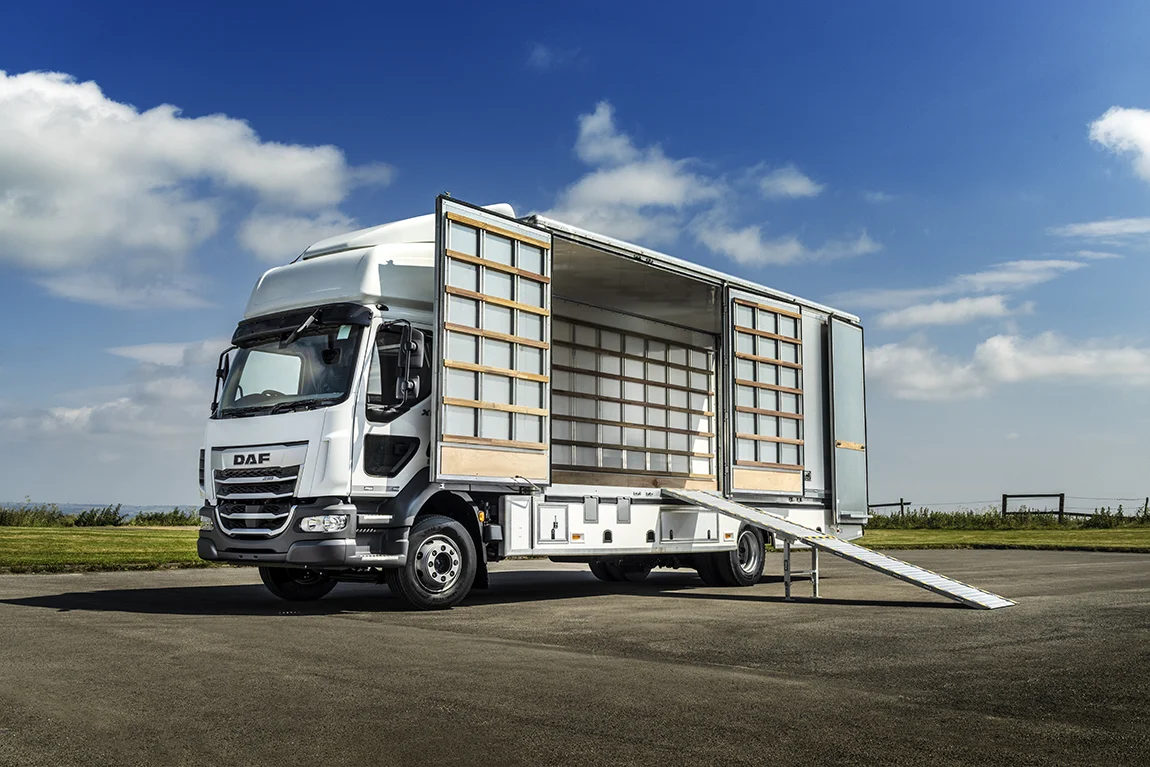
With 53 years’ experience in truck building – and four generations in the removals industry – Mac’s Truck Sales is often asked for advice on transitioning from 3.5-tonne vans to Heavy Goods Vehicles.
The first requirement any business considering the transition from 3.5-tonne vans will face is the application for an Operator’s Licence (O-Licence). This can be done by completing a GV79 form found on the government’s website. To apply for a standard national or international O-Licence, you will have to appoint a transport manager who holds a Certificate of Professional Competence (CPC). Their responsibilities include ensuring the vehicle is operated in a roadworthy condition, conducting daily walk-round checks effectively, and managing driver CRB checks.
If you are considering the transition to HGVs, look closely at what stage you are at with your business and who your clientele is. Take into consideration the size of moves you are currently conducting and the size of moves you want to take on. The benefit of using a 12-tonne or bigger truck means fewer trips need to be made. It reduces the need for additional vehicles to accommodate bigger moves, which will inadvertently reduce the cost of fuel per move.
Customers often come requesting a 7.5-tonne vehicle with the intention of going the next weight class up from their 3.5-tonne van. However, a 7.5-tonne vehicle frequently only has a carry capacity of two tonnes – which is no more than the 3.5-tonne vehicles they are used to running. Mac’s generally advises going for a 12-tonne vehicle with a carry capacity of six tonnes or even higher, provided the location and demographics are suitable for HGV manoeuvres.
Sleeper cabs are frequently recommended for larger or longer moves. Having the benefit of carrying five employees on jobs reduces the need for a secondary vehicle. For overnight jobs, the sleeper cabs offer up to three individuals the space to sleep, replacing the need for hotels.
Mac’s Truck Sales has introduced a popular option tailored specifically for the removals market: high-quality removal trucks that feature a meticulously inspected, used chassis, paired with a brand new Mac’s removal body. This route comes in at a much better price point for the operator. You benefit from the durability, clean aesthetics, and bespoke functionality of a fresh removal body built to your exact needs, while the used chassis significantly reduces your initial financial outlay. Paired alongside in-house finance capabilities, this makes the transition from vans to HGVs easier than it ever has been.
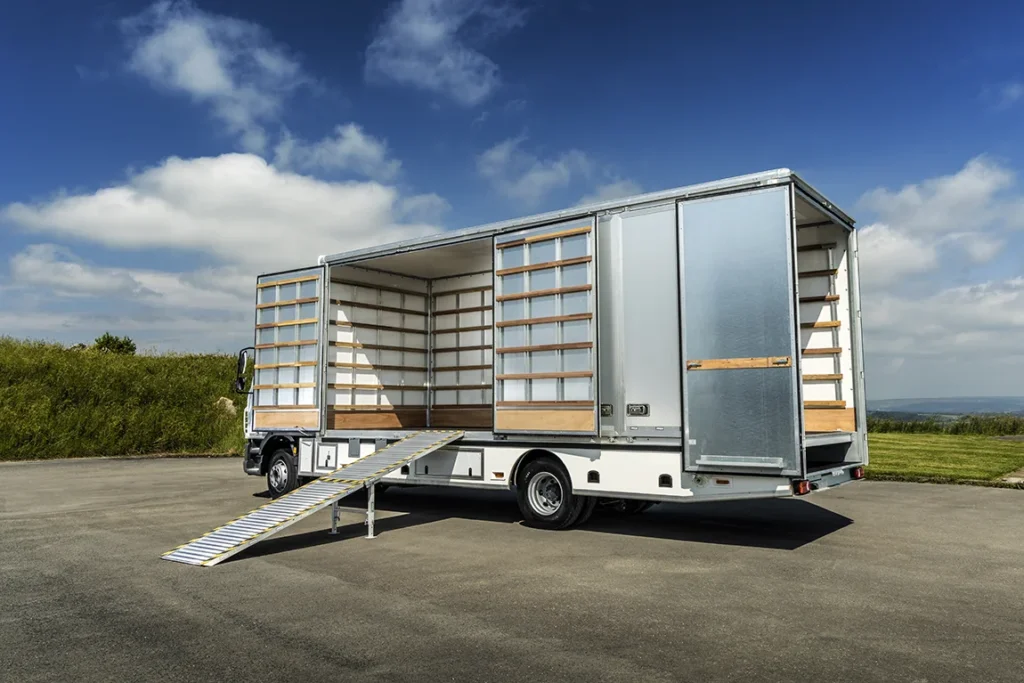
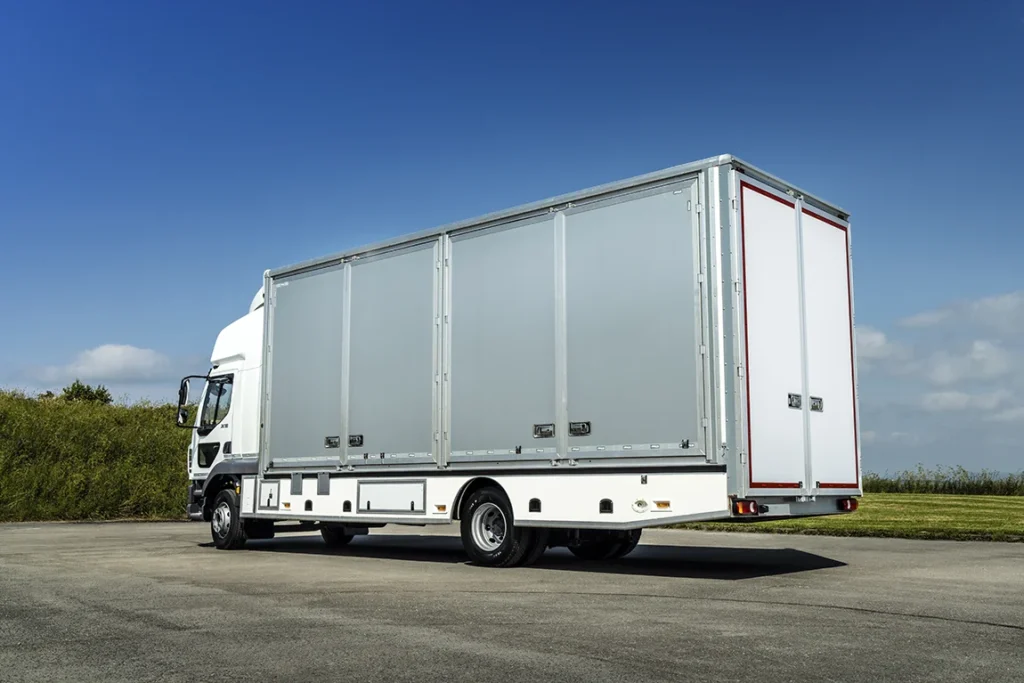
Warren’s Removals and Storage has seen significant growth over recent years, and one of the key milestones in that journey was the decision to introduce an HGV into the fleet. Managing Director Warren Leggett explains that the move into HGVs had been something the company had considered for some time before taking the leap.
For the first six years of the business, Warren’s operated solely with 3.5-tonne Luton vans. Operating around Worcester and the surrounding areas, including the steep roads and narrow access points around the Malvern Hills, initially made the team cautious about introducing a larger vehicle. But as the business continued to grow and larger jobs became more frequent, hiring additional vans several times a week became the norm. It soon became clear that investing in a larger vehicle could provide a far more efficient and scalable solution.
The decision to invest in an 18-tonne removals lorry has proven to be a turning point. While the process of applying for an Operator’s Licence took planning and preparation – including appointing a CPC-compliant transport manager and ensuring all compliance systems were in place – the effort has paid off. Since introducing the HGV five years ago, the vehicle has become an integral part of the company’s operations. Larger moves that previously required multiple vans can now often be completed with a single vehicle, saving time, reducing fuel usage and simplifying logistics.
Despite early concerns about access on steep drives and narrow roads, the vehicle has handled many of these situations without issue. Features such as air suspension have been particularly useful, allowing the rear of the vehicle to be lowered for loading and raised again when manoeuvring on sloped driveways.






All the best bits, delivered once a month straight to your inbox

News and insights from the movers and storers industry