OUT NOW: SEPT/OCT ’26 ISSUE #182
News and insights from the movers and storers industry


1st June 2026
Editorial Team
5 mins read
Features
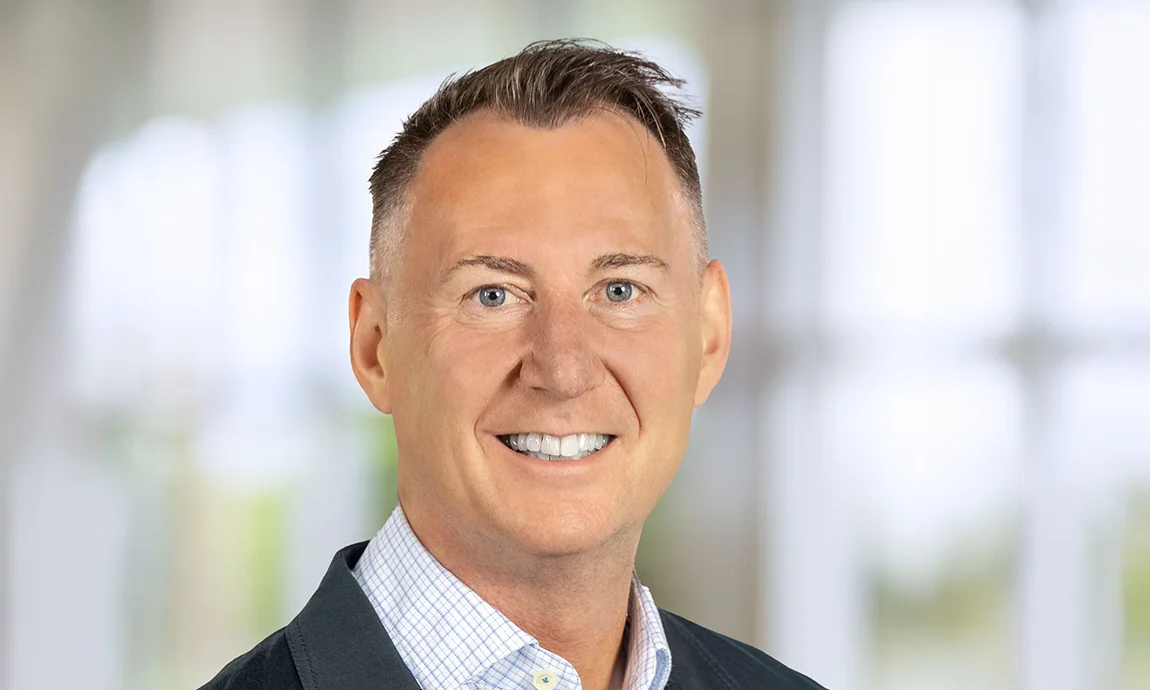
Steve Jordan talks to David Pascoe of Cartus about the future evolution of the relocation management industry.
David Pascoe has recently become the Global Head of Supply Chain for Cartus, one of the world’s foremost Relocation Management Companies (RMCs). At a time of great change in the industry, Steve Jordan wanted to know his view of the industry as it is today, and what might change in the near future.
Cartus has recently been through a process of creating collaboration hubs in all its locations worldwide, giving employees the flexibility to attend the office or work from home as best suited them. David said that the initiative had been very successful for Cartus, but its clients had shown a tendency to require staff to return to the office, with more than half of companies having implemented a return-to-office mandate requiring them to live within commuting distance.
“Certain companies have adopted firm return-to-office directives, telling employees they must comply or face potential job loss,” said David, explaining that some employers expect employees to relocate at their own cost, whereas others provide substantial support including comprehensive relocation services. “Over the last two years, many organisations have increasingly stated that they are once again steering these decisions.” This trend is certainly positive for the relocation industry.
David said he has a positive view of the role of RMCs. “The RMCs that have recognised that the landscape has changed, and are evolving with it, are going to be fine,” he explained. “There are some that are in denial and are waiting for the market to restore itself, but that doesn’t typically happen.”
There is now a greater focus on the individual employee experience with relocation policies becoming more flexible. Companies are now less likely to give lump sums as they can easily get out of control. “Now they might give money but want to have more control as to how it is spent.”
Cartus has developed a new technology called Benefits Builder, designed for a Core-Flex programme. It allows the employee to build their own policy by choosing the elements that are important to them within their individual allowance. The platform also allows Cartus to offer a capped move in which employees are given a fixed amount of money, but the company can see how it’s being spent.
“Any RMC, in my opinion, who wants to be successful with the changes we are seeing, will need this sort of technology to support the employee experience,” said David. He believes that people want a relocation process that gives them access to a human being to guide and help them, especially when things go off track. “Our future service delivery models will always be a balance of a human and the right technology doing the right things. The human element will be more consultative.”
“I don’t think all the major players can survive in the current environment,” said David. “The organisations that are evolving will be the winners. There are a lot of small to mid-sized RMCs that have one or two flagship clients: they are the ones at greatest risk.” David does not expect there to be a drift towards corporations dealing more directly with suppliers. “Our corporate clients are being pushed to do more with less resources. If anything, there is more reliance on the RMCs.”
David has recently taken responsibility for Cartus’ global supply chain and the company’s environmental sustainability programme. He said that Cartus has continued to be pushed by its corporate clients to adopt a formal recognised framework. “Over 80% of our clients have formal emissions reduction goals, with a growing proportion formally aligned to SBTi (Science Based Targets initiative) validated targets. So we signed up to SBTi and were approved, following a two-year process, in December 2025. We are now the first major RMC that has been fully approved by SBTi. That gives us an advantage with our corporate clients because that’s the framework they are using and want us to use too.”
Suppliers will be required to report in line with corporate customers’ requirements, rather than expecting them to accept an industry standard designed by movers or DSPs. “The quicker people really understand that that’s the pressure and that’s the requirement, the quicker they will be able to evolve and get with the program,” he said, adding that the work already done by FIDI to develop a carbon calculator would be helpful as part of the reporting process.
David said that in future, suppliers will be required to provide the services customers want. He also said that there is an increasing requirement for more options to handle smaller moves and for DSPs to be able to react quickly when necessary. “We have seen some suppliers really rise to the challenge of adapting to a situation, and others not so much.”
“I will definitely be honing in on that and how we drive mutual value,” he said. “That’s going to become more and more important.”






All the best bits, delivered once a month straight to your inbox

News and insights from the movers and storers industry